Agenda for May 12-16
On the first day, participants discussed the plans for the week, shared their backgrounds and expectations, and listened to introductory presentations.
Tuesday, 13th May
9:00 AM - 4:00 PM
Kommunehospitalet, CPH
Data generation (labwork)
lecture
training
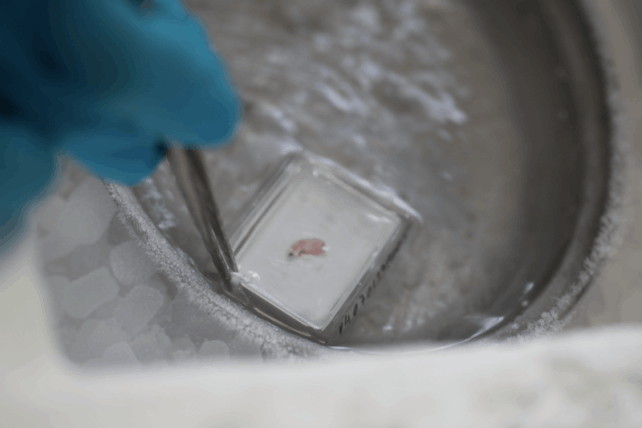
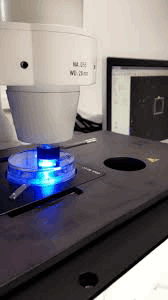
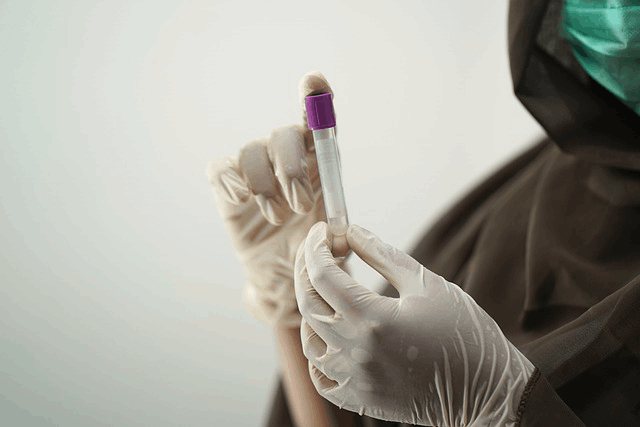
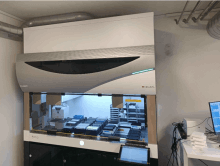
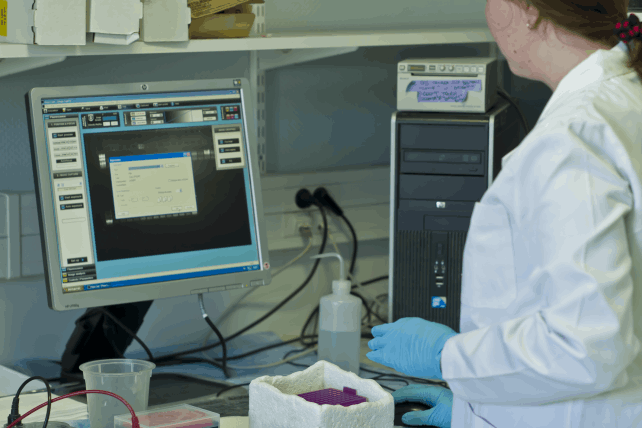
The data-generation part of the workshop consisted of workstations illustrating sample embedding and cryo-sectioning using Leica CM3050S, laser microdissection using Leica LDM7, sample digestion and ultrasonication using Covaris LE220, library preparation using a Tecan Fluent 780 liquid handler, and pre-sequencing quality checks using qPCR and fragment analysis. Participants visited each workstation in small groups and gained hands-on experience with these methods.
After a short recap of the previous day, lectures covered the bioinformatic processing of generated data. Topics included reference genome catalogue generation using long-read sequencing, quantitative estimates of microbial community compositions from microsamples, and quality-filtering strategies for high-quality data. Participants processed data and began preparing their presentations.
The morning was dedicated to data analysis, focusing on the unique spatial information obtained from microsamples. In the afternoon, lectures covered complementary methods including fluorescence in-situ hybridisation and spatial metabolomics, which can validate and enrich micro-scale spatial metagenomic data.
The final day concluded with a course summary, participant presentations, and a short assessment and evaluation.